


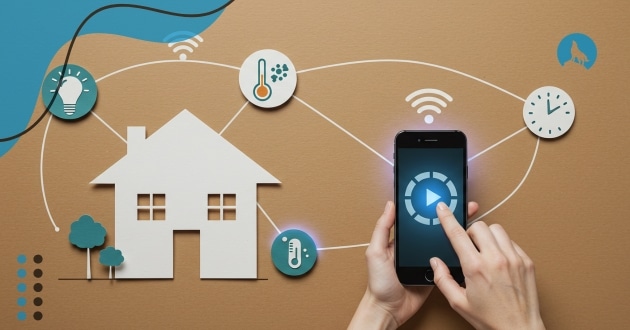
Affordable smart home technology devices are no longer a luxury reserved for tech enthusiasts or high-income households. Over the past decade, rapid innovation, mass production, and increased competition have transformed smart home technology into something accessible, practical, and surprisingly budget-friendly.
Today, even homeowners and renters with limited budgets can enjoy automation, security, comfort, and energy efficiency without major financial sacrifices.
In the past, smart homes were often associated with expensive installations, proprietary systems, and complex wiring. However, that perception has changed dramatically.
Thanks to wireless connectivity, cloud platforms, and user-friendly apps, smart devices are now easier to install, easier to manage, and significantly cheaper. As a result, smart living has become more democratic and widely adopted.
In this comprehensive guide, we will explore how Affordable smart home technology devices can improve daily life, reduce energy costs, and enhance home security. More importantly, we will show how to build a functional smart home step by step, focusing on value rather than unnecessary features.
Understanding the Rise of Affordable Smart Home Solutions
The rise of Affordable smart home technology devices primarily driven by lower manufacturing costs and advances in wireless and cloud-based technologies. As sensors, chips, and connectivity modules become cheaper to produce, smart devices are now accessible to a much broader audience.
At the same time, cloud platforms have replaced complex local systems, making setup easier and reducing overall costs. As a result, understanding How to Upgrade Home Technology Systems no longer requires technical expertise or expensive installations.
Moreover, increased competition and the growth of smartphone-centered ecosystems have significantly accelerated affordability. Because most smart devices controlled through mobile apps and voice assistants, manufacturers can eliminate costly proprietary hardware while still delivering advanced features.
Consequently, functions that were once exclusive to premium products are now standard in budget-friendly options, allowing consumers to upgrade their homes gradually and strategically.
Finally, changing consumer behavior and improved interoperability have reinforced this trend. Modern users prioritize practicality, energy efficiency, and security over luxury, pushing brands to deliver real value at lower prices. In addition, support for shared standards enables users to mix devices from different brands without being locked into one ecosystem.
Therefore, learning How to Upgrade Home Technology Systems has become a flexible, affordable process focused on meaningful improvements rather than high-cost transformations.
Why Affordable smart home technology devices Are Worth the Investment
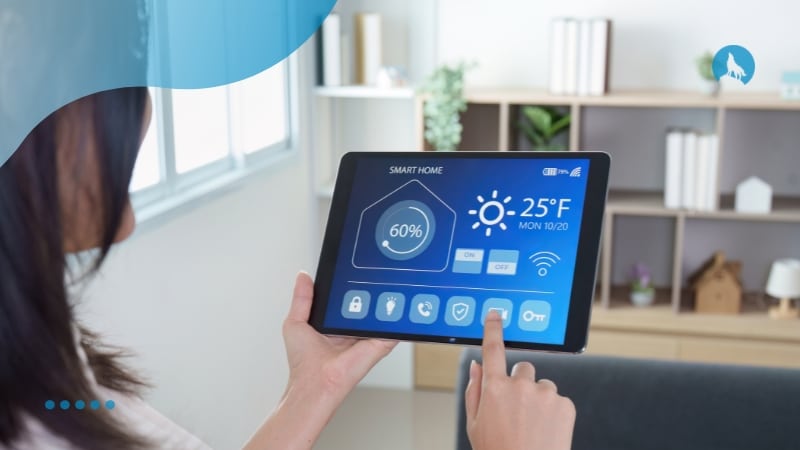
At first glance, some people may assume that lower-priced smart devices compromise quality or security. However, this assumption is increasingly outdated. In reality, many affordable devices now offer features comparable to premium alternatives, especially for basic and intermediate use cases.
One of the most compelling reasons to invest in Affordable smart home technology devices is energy efficiency. Smart thermostats, lighting systems, and plugs help reduce unnecessary energy consumption by automating routines and optimizing usage patterns. Over time, these savings can offset the initial investment.
In addition, smart devices improve safety and peace of mind. Affordable security cameras, door sensors, and smart locks allow homeowners to monitor their properties remotely, receive real-time alerts, and deter potential intruders. Even basic setups can significantly enhance home security.
Equally important is convenience. Voice-controlled lighting, automated routines, and remote access to appliances simplify daily tasks and create a more comfortable living environment. For busy individuals and families, these benefits are often priceless.
Smart Lighting: The Gateway to an Affordable Smart Home
When building a smart home on a budget, smart lighting is often the best starting point. Smart bulbs and switches are among the most affordable and impactful devices available today. They require minimal installation effort and deliver immediate results.
Affordable smart lighting allows users to control brightness, color temperature, and schedules directly from a smartphone app. Furthermore, integration with voice assistants enables hands-free operation, adding an extra layer of convenience. As a result, even simple lighting automation can significantly enhance everyday living.
Another advantage is energy efficiency. Many smart bulbs use LED technology, consuming less electricity while lasting longer than traditional bulbs. Combined with scheduling and motion detection, this leads to measurable energy savings over time.
Smart Plugs and Power Management on a Budget
Smart plugs are another cornerstone of Affordable smart home technology devices. These small, inexpensive gadgets turn ordinary appliances into smart ones, allowing users to control power remotely and monitor energy usage.
For instance, smart plugs can automatically turn off devices that consume standby power, such as televisions or gaming consoles. In addition, they enable scheduling, ensuring appliances run only when needed. This functionality is particularly useful for households looking to reduce electricity bills without replacing existing devices.
Furthermore, smart plugs offer excellent scalability. Users can start with one or two plugs and gradually expand their setup as their budget allows. This flexibility makes them ideal for beginners exploring smart home technology.
Affordable Smart Security Devices for Everyday Homes
Home security is one of the most popular applications of smart technology, and fortunately, it is also one of the most accessible. Affordable smart home technology devices in the security category include cameras, motion sensors, video doorbells, and window sensors.
Many budget-friendly security cameras now offer high-definition video, night vision, motion detection, and cloud or local storage options. While premium models may include advanced AI features, affordable alternatives still provide reliable monitoring and alerts.
Similarly, smart door and window sensors enhance security without requiring professional installation. These devices notify users when doors or windows are opened, helping prevent unauthorized access. When combined with automation routines, they can trigger lights or alarms, increasing deterrence.
Overall, affordable smart security solutions strike an effective balance between cost and protection, making them suitable for apartments, houses, and rental properties alike.
Smart Thermostats and Climate Control Without High Costs
Although smart thermostats were once considered expensive, several budget-friendly models have entered the market. These devices focus on essential features such as scheduling, remote control, and basic learning algorithms, making climate control more efficient without excessive complexity.
By optimizing heating and cooling schedules, smart thermostats help reduce energy waste and improve comfort. Over time, lower energy bills can justify the initial purchase, making them a smart financial decision.
Moreover, many affordable smart thermostats are compatible with existing HVAC systems, eliminating the need for costly upgrades. This compatibility further enhances their accessibility.
Interoperability and Ecosystems: Choosing the Right Platform
One common challenge when adopting Affordable smart home technology devices is ensuring compatibility between products. To avoid frustration, it is essential to choose devices that operate within the same ecosystem or support widely used standards.
Popular ecosystems allow users to mix and match devices from different brands while maintaining centralized control. This flexibility prevents vendor lock-in and ensures long-term scalability. As a result, users can gradually expand their smart home without replacing existing devices.
Additionally, many affordable devices now support open protocols, increasing interoperability and future-proofing investments. This trend benefits consumers by encouraging competition and innovation.
Privacy and Security Considerations on a Budget
While affordability is important, privacy and data security should never be overlooked. Fortunately, many Affordable smart home technology devices now incorporate basic security measures such as encryption and user authentication.
To maximize safety, users should follow best practices, including using strong passwords, enabling two-factor authentication when available, and keeping firmware updated. These steps significantly reduce the risk of unauthorized access.
Moreover, choosing reputable brands with transparent privacy policies adds an extra layer of protection. Affordable does not have to mean insecure, provided users make informed decisions.
Conclusion
In conclusion, Affordable smart home technology devices have fundamentally changed the way people approach modern living. What was once perceived as complex, expensive, and reserved for high-end properties has now become accessible, practical, and adaptable to everyday households.
Thanks to lower hardware costs, cloud-based systems, and intuitive mobile ecosystems, smart technology can be implemented gradually and strategically, without overwhelming budgets or requiring advanced technical skills.
Moreover, affordable smart solutions are not just about convenience, they represent a smarter and more sustainable way to manage a home. Devices focused on energy efficiency, such as smart lighting, plugs, and thermostats, help reduce waste while lowering utility costs over time.
This practical approach aligns with broader sustainability goals and empowers homeowners and renters alike to make informed decisions about How to Upgrade Home Technology Systems in a responsible and cost-effective manner.
Official initiatives such as the ENERGY STAR program, run by the U.S. Environmental Protection Agency, reinforce this perspective by promoting energy-efficient technologies that deliver long-term savings and environmental benefits.
Ultimately, the true value of Affordable smart home technology devices lies in flexibility and inclusivity. Users are no longer forced into all-or-nothing investments or closed ecosystems. Instead, they can build smarter homes step by step, choosing devices that genuinely improve comfort, safety, and efficiency.
As innovation continues and prices become even more competitive, smart living will increasingly be defined not by luxury, but by accessibility, intelligence, and meaningful everyday benefits.