


How to start a podcast has become one of the most common questions among new digital creators, entrepreneurs, and storytellers who want to build an authentic connection with their audience.
In a world where audio consumption grows faster each year, podcasting has evolved into one of the most accessible and influential communication tools available today. Whether your goal is to educate, entertain, inspire, or simply share your unique perspective, beginning your own show opens the door to endless creative and professional opportunities.
Moreover, unlike other content formats, podcasting allows you to speak directly to listeners in a way that feels personal, intimate, and memorable.
As people search for deeper and more meaningful content experiences, understanding how to start a podcast with intention has become essential. Podcasting is no longer just a hobby; it is a strategic medium used by brands, independent creators, professionals, and businesses to build authority and expand their reach.
Additionally, the platform is democratic, meaning that even without expensive equipment or advanced technical skills, anyone can create powerful audio content that resonates. What truly matters is clarity of purpose, consistency in delivery, and a genuine desire to share something valuable.
Learning how to start a podcast today means positioning yourself at the heart of a communication revolution. The rise of micro-niches, the diversification of formats, and the explosion of global podcast platforms have made it easier than ever to grow a loyal audience.
Understanding the Foundation Before You Hit Record
In order to build a strong podcast, it is essential to understand the foundation before you hit record. This stage helps you shape the purpose of your show, define the message you want to share, and choose the angle that sets you apart in a crowded digital space.
Whether you plan to teach beginners, interview experts, or explore trends such as Top Online Gaming Platforms, having a clear purpose ensures your content stays focused and meaningful from the very first episode.
Once your purpose is established, identifying your target audience becomes the next crucial step. Instead of speaking to everyone, narrowing your listener profile allows you to design episodes that resonate with a specific group.
When you understand your listeners’ needs, interests, and expectations, you naturally create stronger content, communicate with confidence, and maintain a consistent tone that keeps people returning for more.
Finally, choosing a niche and defining your format give your podcast structure and long-term direction. A clear niche helps new listeners instantly understand what your show is about, while your chosen format, whether solo, interview-based, or storytelling, sets the rhythm and personality of your episodes.
By blending purpose, audience awareness, and structure, you build a stable foundation that makes your podcast both memorable and sustainable.
Planning Your Show Structure for Long-Term Success
Once the foundation is clear, planning becomes your next powerful step.
- Craft the Podcast Name: Your name must be clear, memorable, and preferably easy to find on search engines. Additionally, make sure it reflects your tone and subject. Avoid names too vague or too similar to existing shows.
- Write a Compelling Podcast Description: Your description is like the trailer of your show. It should quickly explain the theme, tone, who it helps, and why listeners should stay. Even better, incorporate keywords your audience may search for.
- Define Episode Structure: Even if episodes are diverse, listeners appreciate a familiar structure. You might start with a hook, share a brief introduction, go into the main topic, add segments (news, tips, stories), and close with a call to action.
Essential Equipment and Software You Need
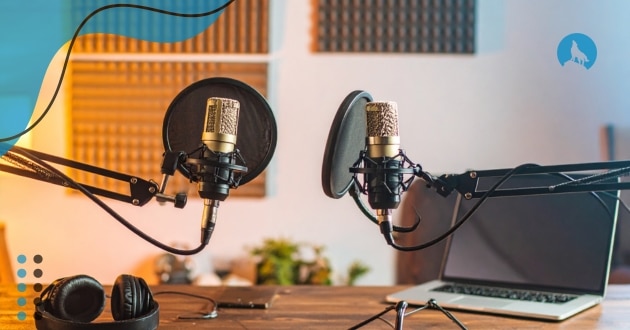
Many beginners worry about equipment, but starting a podcast does not require a full studio.
- Microphones: A good microphone elevates the quality of your voice. USB microphones like the Blue Yeti or Audio-Technica ATR2100x are excellent for beginners. XLR microphones offer even higher quality but require an audio interface.
- Headphones: Use closed-back headphones to monitor your audio and avoid sound leakage. This prevents echoes and helps you identify issues during recording.
- Audio Interfaces: If using an XLR microphone, an audio interface such as the Focusrite Scarlett series ensures professional sound clarity.
- Acoustic Treatment: Even with great microphones, room echo can ruin audio quality. Use simple solutions like carpets, curtains, foam panels, or even recording inside a closet with clothes that absorb sound.
Creating Engaging and High-Quality Content
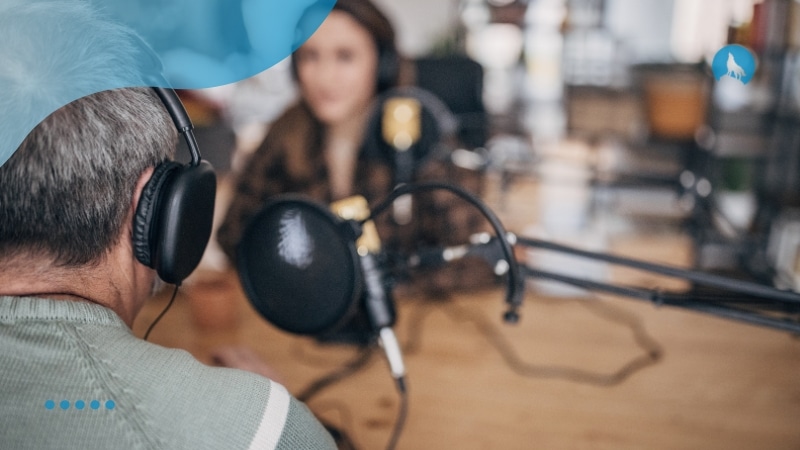
Although equipment matters, content is what truly keeps listeners coming back.
- Write Episode Outlines: Avoid rambling by preparing structured notes. You don’t need a full script, but bullet points help maintain clarity and pacing.
- Use Strong Episode Hooks: The first 30 seconds determine whether someone stays or leaves. Begin with a question, a bold statement, or an intriguing promise.
- Tell Stories: Humans connect through stories. Even educational podcasts benefit from anecdotes, real experiences, or relatable examples.
- Keep a Consistent Release Schedule: Weekly, biweekly, or monthly, choose a rhythm you can sustain. Consistency builds trust and audience loyalty.
Recording Your Podcast Professionally
When you’re ready to record, keep these professional techniques in mind:
- Warm Up Your Voice: Simple vocal exercises improve clarity and remove tension.
- Maintain a Consistent Distance from the Microphone: Staying 10–15 cm from the microphone, slightly off-center, avoids plosives and maintains stable audio.
- Record Multiple Takes When Necessary: If you stumble on a sentence, simply pause and repeat. Editing will handle the rest.
- Monitor Your Levels: Keep audio levels between -6 dB and -3 dB during recording to prevent distortion.
How to start a podcast: Editing and Improving Your Audio
Editing transforms raw audio into a clean, professional episode.
- Remove Background Noise: Noise reduction tools help eliminate hums, fans, or static interference.
- Cut Long Pauses and Mistakes: Effective editing increases the pacing and improves the listener experience.
- Add Music and Sound Effects: Use royalty-free music for your intro and outro. However, avoid overusing effects that distract from your message.
- Master Your Audio: Mastering ensures that volume levels are even and clear across all platforms.
Publishing Your Podcast Across Major Platforms
Now that your audio is polished, it’s time for the world to hear it.
1 – Choose a Podcast Hosting Platform
A host stores your audio files and distributes them to major apps. Popular options include:
- Spotify for Podcasters
- Buzzsprout
- Podbean
- Anchor
2 – Submit Your RSS Feed – How to start a podcast
Your host will generate an RSS feed that you can submit manually, or automatically, to platforms such as:
- Spotify
- Apple Podcasts
- Amazon Music
- Google Podcasts (YouTube Music)
- Deezer
3 – Optimize Your Metadata
Use clear titles, descriptions, and relevant keywords. Metadata improves discoverability and helps new listeners find your show organically.
Promoting Your Podcast for Growth
Creating a podcast is only part of the process; growing it requires ongoing effort.
- Use Social Media Strategically: Short clips, quotes, reels, and episode teasers help drive engagement.
- Collaborate with Other Creators: Guest appearances expose your show to new audiences.
- Encourage Ratings and Reviews: Platforms like Apple Podcasts use ratings to boost visibility.
- Repurpose Your Content: Turn episodes into blog posts, YouTube videos, or newsletters to reach more people.
Monetizing Your Podcast Over Time
Once your audience grows, monetization opportunities emerge, though they require consistency and patience.
- Sponsorships: Brands may pay to feature messages in your episodes.
- Listener Donations: Platforms like Patreon or Buy Me a Coffee allow fans to support you directly.
- Merchandise: Selling branded products strengthens your relationship with your community.
- Courses and Services: If your podcast is educational, you can offer advanced content or coaching.
Final Thoughts
As you reach the end of your journey into podcasting fundamentals, it becomes clear that learning How to start a podcast is much more than following a list of technical steps.
It is, above all, an exercise in discovering your voice, shaping your message, and building a space where your ideas can live, breathe, and reach people far beyond your immediate circle.
Although the process may seem intimidating at first, every creator begins as a beginner, yet those who remain consistent, curious, and intentional soon find themselves growing into confident storytellers.
Moreover, podcasting is not simply a format; it is a long-term relationship with your audience. Each episode strengthens trust, deepens connection, and positions you as a guide in someone’s daily routine.
Even when the path feels uncertain, remember that progress happens one recording at a time. With every improvement in sound quality, clarity, structure, and storytelling, you move closer to building a brand that stands out. The key is to keep creating, keep refining, and keep believing that your message matters.
Finally, as you continue your podcasting journey, take advantage of the powerful tools available to help you grow. Hosting platforms like Spotify for Podcasters allow you to distribute your show across major apps with ease, analyze performance data, and engage with your listeners in meaningful ways.
When combined with strategy, authenticity, and consistency, these tools empower you to transform your podcast from an idea into a lasting digital presence. Your voice has the potential to inspire, and the world is ready to hear it.